Wild Horses and Burros Losing Access to Alkali Hot Springs?

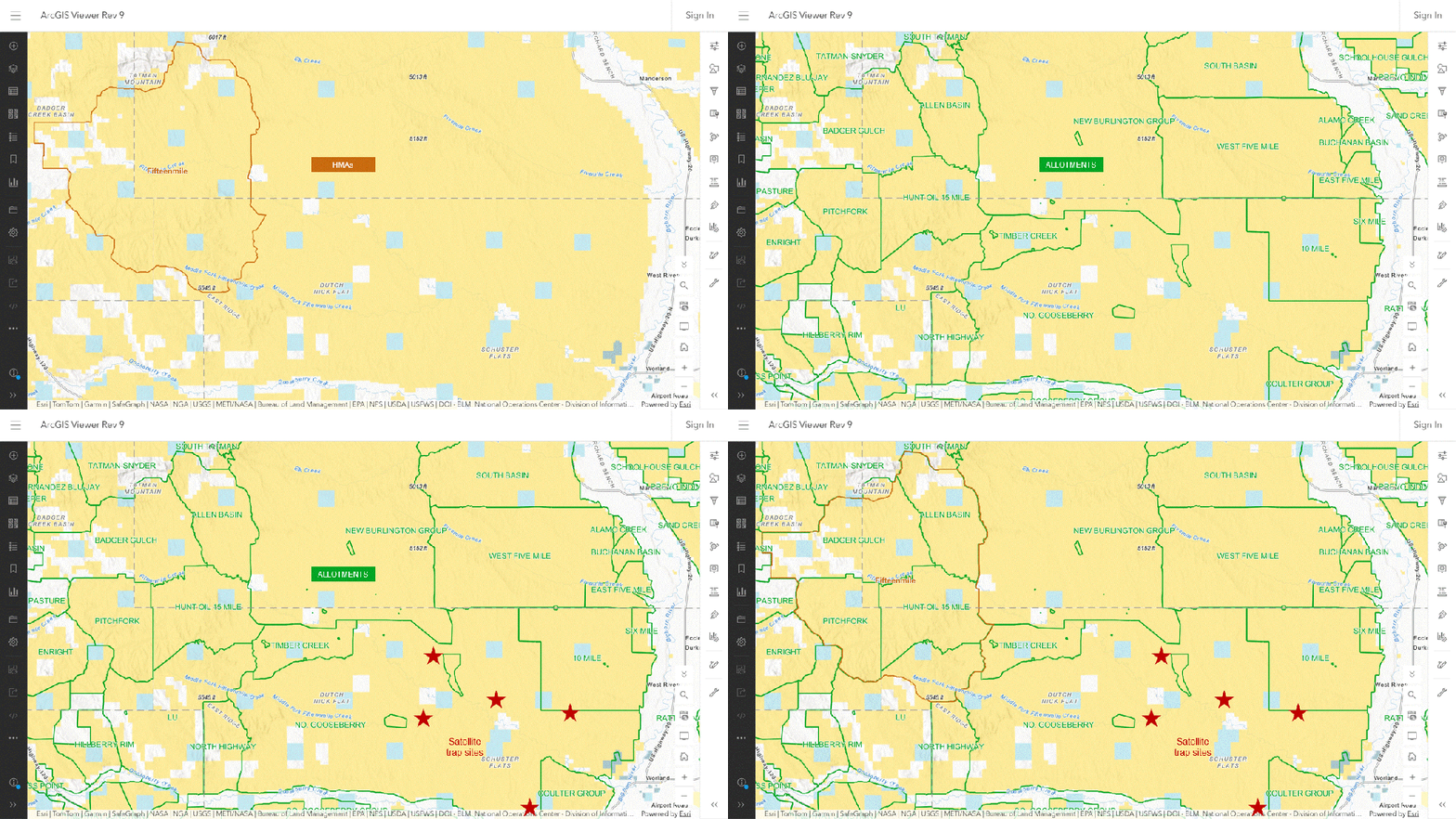
A fence has been built around the property as a part of its conversion to a laydown yard for NV Energy’s Greenlink West project.

Runoff from the spring will go under the fence as shown in the following video but access to the other water holes will be cut off.

The Esmeralda County assessor does not show any sales history for the property.

The APN is 006-261-05 and the current owner is HRH NEVADA RESOURCES, LTD.

The parcel map shows one 80-acre tract, 1,320 ft × 2,640 ft, minus 3.48 acres for Silver Peak Road.

Most of the new transmission line will run across BLM land.

The Decision Record and Final EIS can be found in the NEPA review by clicking on the Documents link near the top of the page.

A map in the January construction report shows the portion near Alkali as Segment 2.

RELATED: Wild Horses and Burros at Alkali Hot Springs?

► Get the truth about wild horses and the wild horse advocates at westernhorsewatchers.com.

Would North Clarks Valley Make a Good Wild Horse Preserve?

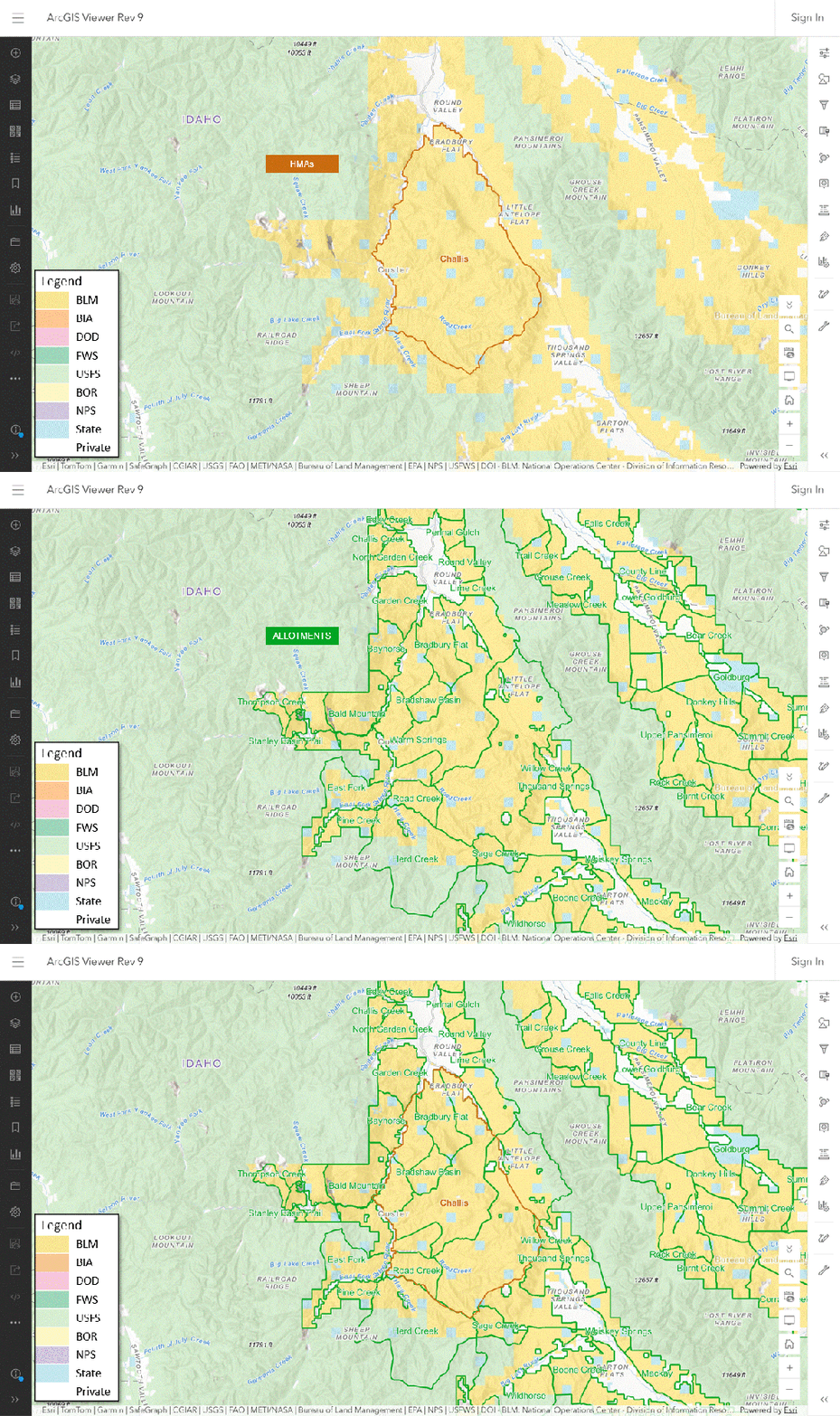
The allotment is too small but nearly 1,500 acres will be treated for cheatgrass next year according to a BLM news release.

Your faithful public servants claim that rangeland health will deteriorate if wild horse populations exceed one animal per thousand acres but the allotment supports livestock equivalent to three wild horses per thousand acres and it’s in the Maintain category.

The Range Creek HMA, with a target stocking rate of 2.9 wild horses per thousand public acres, is a few miles to the east.

RELATED: Suitability of Allotments for Wild Horse Preserves.

► Get the truth about wild horses and the wild horse advocates at westernhorsewatchers.com.

Jakes Fire Roundup Ends

The incident concluded on January 30 with 180 horses captured, 173 shipped, one released and seven dead.

The capture goal was 182.

A stallion escaped from the trap on the final day but this is not reflected in the data.

180 ≠ 173 + 7 + 1

The death rate was 3.9%.

The capture total consisted of 87 stallions and 93 mares.

No foals were caught.

The average daily take was 36.

The operation liberated 2,148 AUMs per year for other mandated uses of public lands.

There were no plans to treat any of the mares with fertility control pesticides and return them to the range, a huge disappointment to the advocates.

RELATED: Jakes Fire Emergency Roundup Announced.

► Get the truth about wild horses and the wild horse advocates at westernhorsewatchers.com.

Jakes Fire Roundup, Day 4

The incident started on January 26.

  • Scope: Snowstorm Mountains and Little Humboldt HMAs
  • Target: Horses
  • Type: Emergency
  • Method: Helicopter
  • Better way: Beat the populations down with ovary-killing pesticides*
  • Capture goal: 182
  • Removal goal: 182
  • Captured: 154
  • Shipped: 147
  • Released: None
  • Deaths: 7
  • Average daily take: 38.5
  • Unaccounted-for animals: None

*According to advocates.

Results for Days 3 and 4 were not posted until today.

All deaths were intentional, the result of pre-existing conditions.

The death rate is 4.5%.

The capture total includes 76 stallions and 78 mares.

No foals have been caught.

The location of the trap site is not known.

The name of the contractor was not given.

The operation has liberated 1,848 AUMs per year.

RELATED: Jakes Fire Roundup Begins.

► Get the truth about wild horses and the wild horse advocates at westernhorsewatchers.com.

Wild Horses and Burros at Alkali Hot Springs?

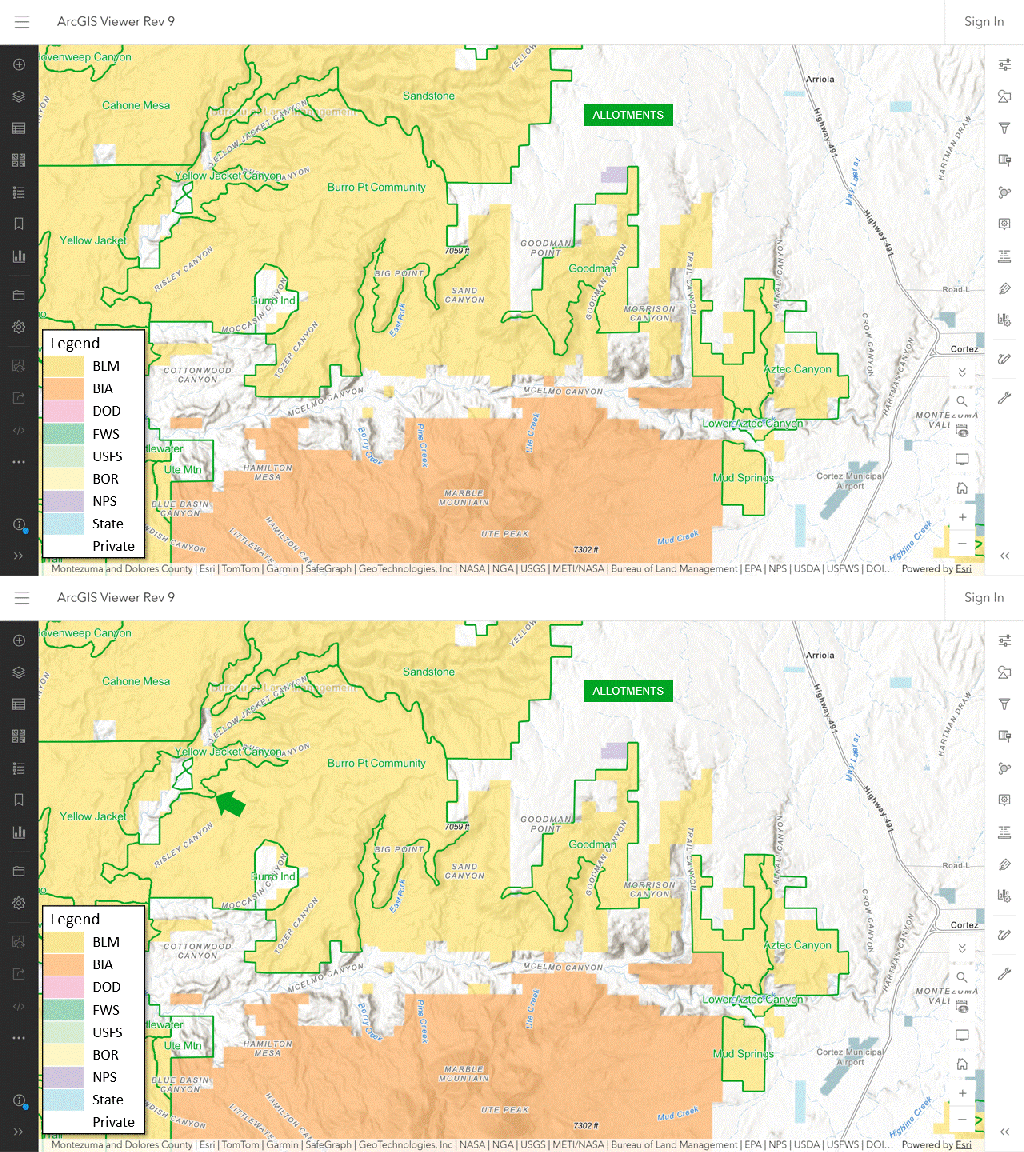
Remnants of the old spa are on deeded acreage in the Montezuma Allotment, between the Paymaster and Montezuma Peak HMAs.

The PLSS layer in the ArcGIS Viewer indicates the property covers two 40-acre parcels in section 26 of T1S R41E, MDB&M.

The spa is in the southwest quadrant of the easterly parcel.

The allotment master report puts forage availability on the public lands at 13.6 AUMs per year per thousand public acres, barely enough to support one wild horse or two wild burros per thousand acres.

The landscape and animals are documented in this video by Windy Bill.

► Get the truth about wild horses and the wild horse advocates at westernhorsewatchers.com.

Foal-Free Friday, Wicked Women of the West Edition

They are the pesticide pushers, enemies of America’s wild horses and servants of the public-lands ranchers.

They couldn’t convert an AML to AUMs if their lives depended on it, much less compute a forage allocation for livestock in an area identified for wild horses.

But they know how much adjuvant to add to the PZP and how long to mix them.

Resolve now to cut them off.

PREVIOUS: Foal-Free Friday, Turncoats and Sellouts Edition.

► Get the truth about wild horses and the wild horse advocates at westernhorsewatchers.com.

Piñon Base Property Available for $4 Million

W Bar Ranch covers 23,894 total acres according to the agent’s listing, including 1,618 deeded acres, 2,390 state acres and 19,886 BLM acres.

The numbers are very close to those in the allotment master report for Cornucopia Ranch, located a few miles south of Piñon, NM.

The allotment is currently permitted for cattle according to the authorization use report, with a twelve-month grazing season.

The permittee receives 5,032 active AUMs per year, enough to support 419 wild horses.

The stocking rate would be 21.1 wild horses per thousand public acres, despite claims by your faithful public servants that public lands in the western U.S. can only support one wild horse per thousand acres.

The land ratio is good, 17 public acres per deeded acre.

The property might be suitable as a wild horse refuge, saving taxpayers 419 × 6 × 365 = $917,610 per year.

The simple payout period would be 4.4 years.

Wild horses can be placed on public lands not identified for their use by acquiring base properties tied to one or more grazing allotments and flipping the preference to horses.

The advocates could be investing in such projects, which would likely gain value over time, instead of wasting your donations on programs that benefit ranchers.

RELATED: Key Indicators for New Wild Horse Preserves.

► Get the truth about wild horses and the wild horse advocates at westernhorsewatchers.com.

SFGATE Looks at Mono Lake Emergency Roundup

Not mentioned in the report are the allotments where the horses roam and the priorities attached thereto.

Comments from a representative of the Campaign Against America’s Wild Horses were not included, a deviation from established practice.

To his credit, the writer did not try to sell mass sterilization as wild horse conservation.

RELATED: Mono Lake Update.

► Get the truth about wild horses and the wild horse advocates at westernhorsewatchers.com.

Would Little Humboldt Make a Good Wild Horse Preserve?

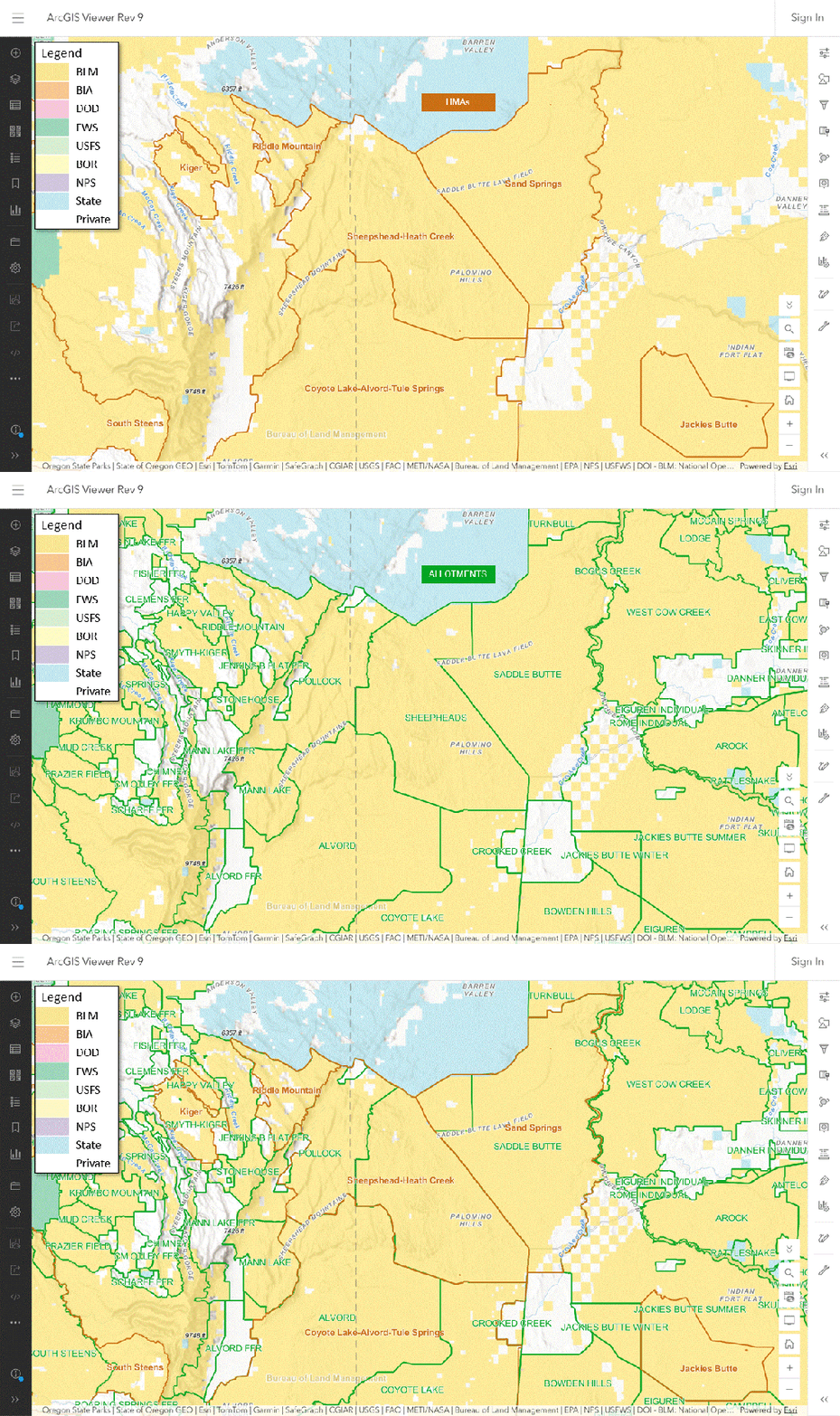
The allotment contains an area identified for wild horses, which is unacceptable.

The ArcGIS Viewer shows the arrangement.

About 70% of the HA is managed principally for livestock.

Horses are tolerated in the HMA, the remaining piece in the northeast corner.

The allotment offers 8,279 active AUMs on 68,879 public acres according to the allotment master report, equivalent to ten wild horses per thousand public acres.

Your faithful public servants claim that public lands in the western U.S. can only support one wild horse per thousand public acres.

You don’t need to buy the base property to put wild horses back in the HA.

You just need to rid the bureaucracy of ranchers and ranching sympathizers and overturn the planning process that zeroed it out.

The advocacy groups could have special funds to acquire base properties not associated with HMAs and WHTs, opening up new spaces on public lands for wild horses.

Instead, they use your donations to buy pesticides so they can beat the horse numbers down in favor of livestock.

RELATED: Suitability of Allotments for Wild Horse Preserves.

► Get the truth about wild horses and the wild horse advocates at westernhorsewatchers.com.

Madeleine Pickens Talks about Wild Horses on Cats Roundtable

The founder of Mustang Monument speaks with John Catsimatidis in this audio segment by WABC Radio in New York City.

The authorization use report indicates the preference on the Spruce allotment has not been flipped to horses, which was part of the deal when she bought the base property.

Her rescued mustangs are probably on the deeded acreage.

RELATED: How Did Mustang Monument Rate as a Wild Horse Refuge?

► Get the truth about wild horses and the wild horse advocates at westernhorsewatchers.com.

Have You Ever Heard of “People Against Mass Sterilization?”

Of course not!

The opponents of motorized removal want to pummel the mares with pesticide-laced darts, which inevitably leads to permanent infertility and herd collapse.

The bureaucrats in Colorado are leading the way in this regard, with close support from the big-name advocacy groups.

► Get the truth about wild horses and the wild horse advocates at westernhorsewatchers.com.

How Many Wild Horses Can Snowstorm Mountains Support?

The HMA lies within the Bullhead allotment.

Its southern border stops short of a checkerboard area and the western edge omits a slice of public lands, but the rest of it coincides roughly with that of the allotment.

The 140 wild horses allowed by plan require 1,680 AUMs per year.

The stocking rate allowed by plan is 1.3 wild horses per thousand public acres, slightly more than the target rate across all HMAs of one wild horse per thousand acres.

The allotment offers 12,050 active AUMs on 142,361 public acres, equivalent to 7.1 wild horses per thousand public acres.

The allotment master report puts it in the Improve category, with 7,233 AUMs in the suspended column.

The HMA should be able to support 1.3 + 7.1 = 8.4 wild horses per thousand acres.

Given that it covers 103,802 public acres, the estimated carrying capacity is 872.

Under the current management plan, the BLM collects $11,858 per year from grazing activity inside the HMA while it spends $1.6 million per year to care for 872 – 140 = 732 wild horses displaced thereby.

Nobody in the private sector would do that.

The advocates would solve the problem by sterilizing the mares, eliminating the need for roundups and off-range holding while ensuring that most of the authorized forage goes to livestock in the lawful home of wild horses.

RELATED: How Many Wild Horses Can Public Lands Really Support?

UPDATE: The authorization use report indicates the allotment is permitted for cattle.

► Get the truth about wild horses and the wild horse advocates at westernhorsewatchers.com.

Pathfinder Ranches Sold

The buyer was Ensign Group of Salt Lake City according to a January 16 report by Cowboy State Daily.

The price was not disclosed.

The Stewart Creek Unit clashes with three HMAs.

The total preference, a little over 90,000 AUMs, is equivalent to 7,500 wild horses.

Taxpayers will receive $121,500 per year for the resource at the current grazing fee, while they spend $6 per day per head, or $16.4 million per year, to care for 7,500 wild horses in off-range holding.

Nobody in the private sector would do that.

But a government agency co-opted by a special interest would, especially when it’s aided and abetted by a cadre of frauds who claim to be voices for the horses.

RELATED: Wyoming’s Pathfinder Ranches Changing Hands.

► Get the truth about wild horses and the wild horse advocates at westernhorsewatchers.com.

HR6938 Now Law

The bill was signed today according to a White House news release, giving the BLM a budget for FY26.

A new roundup schedule should appear at the agency’s gather page.

Remarks about the wild horse and burro program, including links to the House and Senate reports, can be found in the explanatory statement.

RELATED: HR6938 One Step Away from Becoming Law.

► Get the truth about wild horses and the wild horse advocates at westernhorsewatchers.com.

Jakes Fire Emergency Roundup Announced

The incident will begin on or about January 26 according to the news release.

The capture and removal goals are 182.

Horses in and around the burned area, which includes portions of the Snowstorm Mountains and Little Humboldt HMAs, will be pushed into the traps by a helicopter.

The announcement did not indicate if operations would be open to public observation.

Captured animals will be taken to the off-range corrals in Winnemucca.

There are no plans to treat any of the mares with fertility control pesticides and return them to the range.

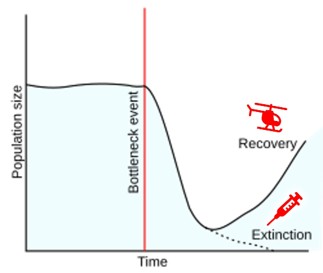
The fire burned 26% of Snowstorm Mountains and 90% of Little Humboldt according to the project description in ePlanning.

The DNA Worksheet and Decision Record are silent about the Bullhead and Little Humboldt allotments, which overlap the HMAs.

The Complex also includes the Little Owyhee, Owyhee and Rock Creek HMAs.

► Get the truth about wild horses and the wild horse advocates at westernhorsewatchers.com.